Müstəqil Sahile Cabbarova (MSC): Does the U.S. administration view the current protests in Iran as a potential turning point toward systemic change, or as another cyclical wave of unrest? How realistic are Washington’s internal expectations at this stage?
Andrew Korybko (AK): Trump’s statements suggest that his administration expects the latest protests to weaken the Iranian government and possibly serve as the “publicly plausible” pretext for another round of American and/or Israeli strikes on the country.
Many observers assess that the US and Israel got the best of Iran during last summer’s 12-Day War and that its air defenses were greatly damaged. If that’s true, then another round of strikes could advance their strategic agenda there.
The questions for observers to ask are whether this is an accurate assessment; whether each or both have the political will to endure Iranian retaliation; and the extent to which non-state actors and/or neighboring states could exploit the strikes afterwards.
MSC: At this moment, what carries more weight in U.S. policy toward Iran: addressing human rights abuses and internal repression, or containing Iran’s nuclear program and regional influence? Is there a genuine balance between these priorities?
AK: Trump claimed that Iran’s nuclear program was set back by a long time after the US’ strikes but reported CIA assessments differ. In any case, the nuclear issue was the primary one on the bilateral agenda till the 12-Day War and the US’ strikes.
At present, regardless of whatever rhetoric is espoused at any given time and by whichever official, the US’ interests are arguably to replicate the Venezuelan model by coercing Iran into subordinating itself and its energy industry to the US.
One of the US’ strategies in its systemic rivalry with China is to enter into positions whereby it could directly or indirectly deprive China of access to the energy and markets that it requires to maintain its growth and therefore its superpower trajectory.
Obtaining indirect control over Iran’s energy industry after Venezuela’s would enhance the US’ leverage in their rivalry and could be replicated in other major BRI states like Nigeria to ultimately pressure China into significant trade concessions.
(INSANITY SQUARED. VENEZUELA'S MILITARY STOOD DOWN. VENEZUELA DID NOT HAVE WEAPONS CAPABLE O TAKING OUT US SHIPS AND MILITARY BASES. LAST TIME ISRAEL HAD LOTS OF FOREIGN ASSETS ON THE GROUND. THE ILLEGAL ALIENS HAVE BEEN SENT HOME. IRAN HAS EVEN BETTER AND FASTER MISSILES. THIS TIME THEY WILL SEND A MESSAGE EVEN TRUMP WILL HEED.)
------------------------------------------------------------------------------------------------------------------------------------
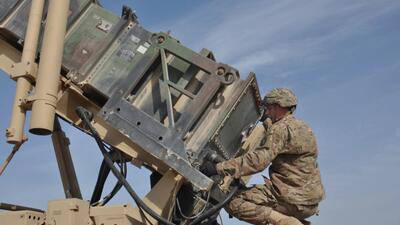
Qatar has been a key regional partner of the United States, and has hosted many U.S. troops at its Al Udeid Air Base over the past two decades.
(Prime target)
https://www.zerohedge.com/geopolitical/us-military-opens-new-air-defense-coordination-cell-qatar
-----------------------------------------------------------------------------
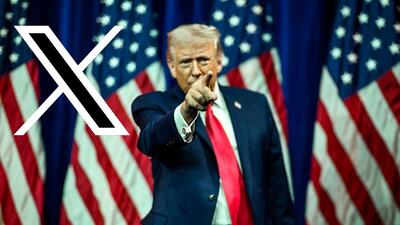
Trump admin fires back at Labour’s censorship frenzy, promising to treat UK like Iran if X ban proceeds...
https://www.zerohedge.com/geopolitical/watch-us-vows-unleash-full-arsenal-tools-against-uk-pm-starmers-war-free-speech
#1: Horse To: Horse (#0)
Prime Minister Keir Starmer is reportedly expected to approve the embassy construction plans ahead of Chinese President Xi Jinping’s high-stakes visit to Britain.
https://www.zerohedge.com/geopolitical/spy-center-china-plans-secret-room-near-sensitive-cables-london-mega-embassy
Horse posted on 2026-01-14 07:40:51 Reply Private Reply