For over 2,000 years, Ikarians have brewed wild mountain tea from a plant called Sideritis. Modern research has confirmed it protects the brain, reduces inflammation, and promotes longevity.
The same compounds exist in a plant that grows wild across the American Southeast. Indigenous peoples used it as medicine for thousands of years.
Today, we classify it as a weed and poison it with herbicides.
Antiseptic & Anti-inflammatory Properties: The thymol content gives it antibacterial and antifungal qualities, making it useful for mouthwashes, treating minor wounds, skin conditions (like acne, eczema, psoriasis), and insect stings.
Calming Effects: Oswego tea can be used as a mild nervine to calm the nerves, reduce anxiety, and promote restful sleep, especially when combined with herbs like chamomile or valerian.
Wound Healing: Native American tribes used poultices of the plant to stop bleeding, reduce swelling, and treat skin infections.
The Nobel Prize Weed. Why Are We Warned Not to Use It?
This is the story of wormwood, a plant that emperors reserved for themselves, soldiers carried into battle, and modern science validated with the world's highest honor. It's also the story of how a multi-billion dollar pharmaceutical industry has worked to suppress knowledge of the whole plant while monopolizing its extracted compounds.
THE ANCIENT AUTHORITY:
n 340 AD, Chinese scholar Ge Hong documented sweet wormwood in his emergency medical handbook "Zhouhou Beiji Fang" (Emergency Prescriptions Kept Up One's Sleeve). His instructions for treating "intermittent fevers" (malaria) were oddly specific, soak the plant in water, wring out the juice, drink it all. Critically, he never mentioned boiling it. This detail, preserved for 1,600 years, would prove essential when modern science finally validated his prescription.
By 1596, the renowned physician Li Shizhen included qinghao (sweet wormwood) in his "Compendium of Materia Medica," cementing its place in traditional Chinese medicine not just for fever, but for expelling intestinal parasites, hence the name "wormwood."
PROJECT 523 - THE SECRET MISSION:
In 1967, as malaria killed more soldiers in Vietnam than combat, the Chinese government launched "Project 523", a secret military operation to find a cure. After screening 240,000 compounds with no success, they assigned pharmaceutical chemist Tu Youyou to review ancient texts. She and her team tested 2,000 traditional recipes and 380 plant extracts. When sweet wormwood showed inconsistent results using conventional boiling methods, Tu remembered Ge Hong's 1,600-year-old detail about avoiding heat. Using low-temperature ether extraction on October 4, 1971, she isolated artemisinin, compound showing 100% effectiveness against malaria in test subjects.
Tu volunteered to be the first human test subject. All 21 patients in the initial clinical trial recovered completely. The World Health Organization estimates artemisinin-based drugs have reduced global malaria mortality by over 20%, saving more than 100,000 lives annually in Africa alone.
THE SCIENCE: Artemisinin contains an endoperoxide bridge that reacts with iron. Malaria parasites, gorging on iron-rich hemoglobin, essentially detonate when artemisinin enters them, generating free radicals that kill the parasite within hours. But here's what the pharmaceutical industry doesn't want discussed: a 2018 study in the Democratic Republic of Congo with 800 schistosomiasis patients found that tea made from whole Artemisia leaves cured patients in 14 days, faster than the pharmaceutical drug praziquantel. More shocking: Artemisia afra tea (containing virtually no artemisinin) worked just as well as Artemisia annua tea (high in artemisinin). Research from Worcester Polytechnic Institute explains why: whole plant bioavailability is 45 times higher than isolated artemisinin. The plant's flavonoids, terpenes, and phenolic compounds work synergistically, enhancing absorption and providing additional antiparasitic effects.
(Also attacks cancer cells and kills them as well as parasites)
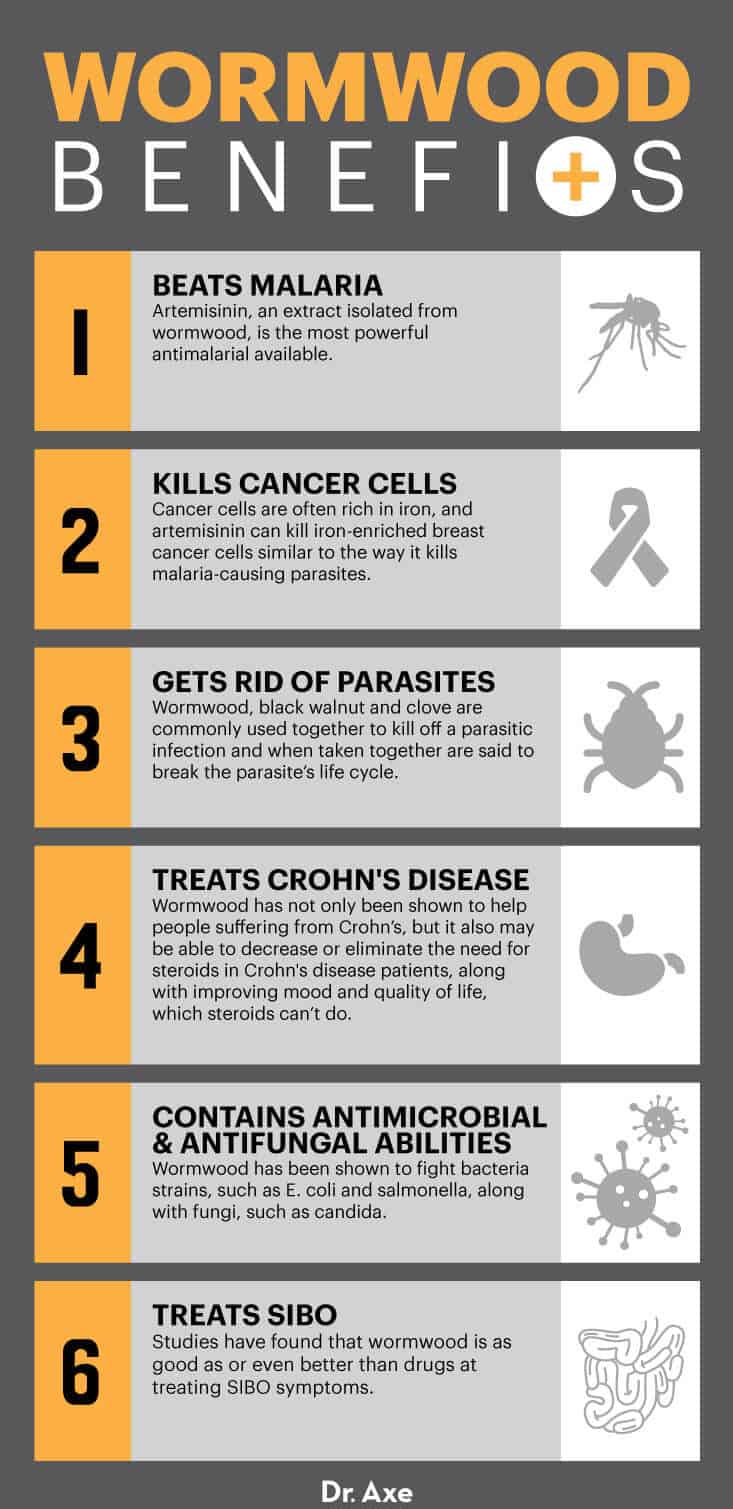
Small Intestinal Bacterial Overgrowth (SIBO) is a condition characterized by an excessive amount of bacteria in the small intestine, where normally few bacteria are present. This overgrowth can interfere with nutrient absorption and lead to a range of gastrointestinal symptoms.
#1: Horse To: Horse (#0)
Horse posted on 2026-01-28 01:18:28 Reply Private Reply
#2: Horse To: Horse, Pinguinite (#1)
Horse posted on 2026-01-28 01:19:52 Reply Private Reply